

10th ANNIVERSARY
Spanish & Portuguese Advanced Optical Microscopy Meeting
SPAOM 2026
Workshops edition
About the meeting
What is SPAOM?
SPAOM is the annual joint event organized by REMOA (Red Española de Microscopía Óptica Avanzada) and PPBI (Portuguese Platform of BioImaging). Its mission is to bring together the Iberian and European scientific communities, fostering networking around cutting-edge developments in optical microscopy and image analysis across the biological and biomedical sciences.
The 10th edition of SPAOM introduces a new format focused on workshops. This edition is designed to be open, participatory, and highly practical, with a strong emphasis on hands-on activities, interaction, and knowledge exchange across the full spectrum of bioimaging workflows.
Dates
6th – 9th October 2026
Location
Vic (Barcelona, Spain)
Venue
Firal “El Sucre”
Keynotes & Invited Talks
Speakers

Friedrich Schiller University Jena & Leibniz Institute of Photonic Technology (Leibniz IPHT)
Jena, Germany


Institute for Bioengineering of Catalonia (IBEC) & Universitat de Barcelona (UB)
Barcelona, Spain


Institut des Sciences Moléculaires d’Orsay (ISMO), CNRS & Université Paris-Saclay
Orsay, France


Institute of Electronic Structure and Laser, Foundation for Research and Technology – Hellas (IESL-FORTH)
Heraklion, Greece
Bellvitge Biomedical Research Institute (IDIBELL) & Universitat de Barcelona (UB)
L’Hospitalet de Llobregat, Spain

Molecular Imaging and Photonics Division, Chemistry Department, Faculty of Science, KU Leuven


Technische Universität Dresden (TU Dresden) & Center for Scalable Data Analytics and Artificial Intelligence (ScaDS.AI Dresden/Leipzig)
Dresden, Germany
Schedule
Scientific Programme
- Scientific sessions (orientative):
- Biomedical Imaging & Omics/Multiplexing
- Artificial Intelligence & Imaging
- New Microscopy Developments
- Cellular Dynamics
- Advanced Materials
- Posters presentations and Flash talks in any bioimaging and Life science related topics.
- Industry Workshops: Nearly 80 industry workshops are expected, in 6 parallel sessions.
- Community Workshops: About 60 are expected from an Open Call, in 6 parallel sessions.
FULL PROGRAMME still subject to changes:
| Tue 6 Oct | Wed 7 Oct | Thu 8 Oct | Fri 9 Oct |
|---|---|---|---|
| Plenary session | Plenary session | Community workshops | |
| Break | Break | Break | |
| Industry Workshops | Industry Workshops | Plenary session | |
| Shuttles from Barcelona, Exact times TBA, upon registration (mandatory) before 12h00 | Community Workshops | Community Workshops | Plenary: Farewell |
| 14h START Eurobioimaging Session | Lunch Community Workshops | Lunch Posters, Open Science Exhibition | Lunch bag, Shuttles departure ~13h45-14h15 |
| Community Workshops | Industry Workshops | Industry Workshops | Arrival Barcelona (airport/ station) ~15h30, before 16h |
| Break | Break | Break | |
| Community Workshops | Industry Workshops | Industry Workshops | |
| OPENING Plenary session | Plenary session | Plenary session | |
| Welcome networking & posters | Free evening | Network event |
Arrival: Bus transport (1h15 trip) will be set in the morning of 6/10 to take participants from Barcelona airport and train station (Sants), to arrive at the Venue before the start of the sessions (14h). Expected bus departures: between 11h and 12h30, times and capacity to be confirmed, upon sign up form for registered participants.
No shuttle will be scheduled after 12h30 on 6/10.
Departure: Bus Transport will be set to depart from the Venue on 9/10 after the closing remarks, aiming to arrive at Barcelona airport and train station (Sants) at latest 16h. Capacity to be confirmed, aimed to transport all participants back to Barcelona.
No shuttle will be scheduled later than 14h30 on 9/10.
bring your ideas
open science fair
The Open Science Fair is a community-driven space where researchers, developers and imaging scientists can share open tools, software, hardware, workflows, prototypes, educational resources and creative ideas in bioimaging, encouraging exchange, collaboration and new developments across the community.
Bring your tool, prototype, work in progress or simply an idea worth sharing and join Open Science Fair!

get connected
networks corner
The Networks Corner is an interactive meeting point showcasing scientific networks, societies and research infrastructures, where participants can discover their activities and opportunities, explore ways to get involved, and meet and connect with people already part of these communities.
Would you like your network to be part of the Networks Corner? Contact us at info@remoa.net
Signature sessions
Community Workshops
Community Workshops are a signature feature of SPAOM meetings, where scientists and technologists share scientific imaging approaches through novel instrumentation, workflows and tools, with a strong focus on practical aspects.
Following an Open Call for Proposals, closed on 8 July, around 30 Community Workshops have been selected for SPAOM2026. Each workshop will be offered twice, giving participants more flexibility to shape their own programme.
Selected Community Workshops for SPAOM2026
CW01 · Beyond Metrics: Evaluating Impact, Building Recognition, and Advancing Scientific Leadership in Imaging Core Facilities · Davide Accardi · Area L-2
CW02 · Practical Cryo-CLEM: From First Contact to Troubleshooting · David Delgado Gestoso & Jonathan Piccirillo · Area OHW-3
CW03 · High Content Screening Clinic: Designing Experiments Through Real Case Studies · Manuel Pérez & Sergio Alegre · Area L-1
CW04 · Strategic Communication and Stakeholder Management for Imaging Facilities · Johanna Bischof, Eurobioimaging-ERIC · Area L-2
CW05 · NGFF and OME-Zarr file format handling using PyMIF. · Nicola Gritti & Andres Marco · Area PC-2
CW06 · QuPath: A great tool for spatial omics image and data analysis – Part I: Multiplexed immunofluorescence image analysis · Maria Calvo de Mora Román y Ana Cayuela · Area PC-1
CW07 · Single Molecule TIRF-FRET: Analyzing Molecule Dynamics · Luis Alberto Campos Prieto · Area L-1
CW08 · QuPath: A great tool for spatial omics image and data analysis – Part II: Omics data integration · Chong Zhang & Patricia Rodrigues · Area PC-1
CW09 · PhenoMe: An Interactive Toolkit for Microscopy Data Exploration and Phenotype Discovery with Foundation Model Embeddings · Estibaliz Gómez de Mariscal & Ignacio Arganda-Carreras · Area PC-2
CW10 · Deep learning for beginners with DL4MicEverywhere · Leonor Morgado & Adán Oguin-Oguin · Area PC-1
CW11 · Light-Sheet Microscopy Workshop: From Biological Question to Imaging Strategy · Gustavo Castro Olivera & Maria Marsal · Area OHW-2
CW12 · Bioimage Analysis Software Packages: Our Old Friends in the Age of AI · Daniel Sage & Carlos Garcia López de Haro · Area PC-4
CW13 · Seeing Deeper: Tissue Clearing Strategies for 3D Imaging. From theory to practice · Lídia Bardia & Anna Lladó · Area OHW-2
CW14 · Optical Tweezers: from basic optical manipulation to quantitative assays in cellulo and in vivo · Oriol Nos & Najanjyoti Kakali · Impetux Booth
CW15 · Supercharge your illumination with Köhler! · Francesca Casagrande & Alessandro DiMaio · Area OHW-1
CW16 · From Light-Sheet to OME-Zarr: An Open Toolset for Stitching, Converting, and Managing Large Volumetric Datasets in Imaging Facilities · Isabel Fernaud Espinosa · Area PC-4
CW17 · Hands-on Introduction to Bioimage Classification with Convolutional Neural Networks · Jose Requejo Isidro & Carlo Manzo · Area PC-2
CW18 · Super-resolution fluorescence correlation spectroscopy (sSTED-FCS) demonstration · Jakub Chojniacki · Abberior@Telstar Booth
CW19 · 3D Printing of Opto-Mechanical and Optical Components for Microscopy · Spyridon Bakas & Roberto Paoli · Area OHW-1
CW20 · A Hands-on Introduction to BioImage Simulation with DeepTrack2 · Guillem Guigò i Corominas · Area PC-4
CW21 · Getting started with microfluidics · Cristina Clemente Toribio & Juliana Manosalva Pérez · Area OHW-3
CW22 · Reproducible image analysis using Python: a hands-on introduction · Sara Salgueiro Torres & Virginia Silio · Area PC-3
CW23 · Stretching the Limits: Exploring Biology with Expansion Microscopy · Carolina Alves Feliciano & Pedro Matos Pereira · Area OHW-2
CW24 · Trust but Verify: Practical Quality Control for Fluorescence Microscopy · Manel Bosch & Fernando Unzueta · Carl Zeiss Booth
CW26 · Fluorescence spectroscopy: The opportunity of a (fluorescence) lifetime · Timo Zimmermann · Leica Booth
CW27 · Boost Your Image Analysis Skills: Workflow Automation with ImageJ Macros · Gemma Martin · Area PC-3
CW28 · AxonPath: Deep Learning for Axon and Myelin Analysis in QuPath · Pau Carrillo-Barberà · Area PC-3
CW29 · The 20 most common microscope problems and how to diagnose them · Damien Schapman · Evident Booth
CW30 · DIY-gital Transmission contrasts on a budget with LED matrices · Nikolaos Giakoumakis & Julien Colombelli · Area OHW-1
CW31 · Thinking inside the box! A challenge for savvy light microscopists · Gaby Martins · Area OHW-3
technology sessions
industry Workshops
Industry Workshops bring together industry experts, developers and technology specialists to share their knowledge and expertise, presenting state-of-the-art advances in microscopy, bioimaging and image analysis through new technologies, applications, workflows and tools.
INDUSTRY Partners
PLATINUM SPONSORS



INDUSTRY Partners
GOLD SPONSORS

INDUSTRY Partners
SILVER SPONSORS





INDUSTRY Partners
BRONZE SPONSORS









INDUSTRY Partners
COPPER SPONSORS




There are currently 25 confirmed sponsors, with more to come.
Interested in sponsoring? Contact us URGENTLY:
sponsors.spaom2026@remoa.net
Getting there
Vic (Barcelona, Spain)
A Historic and Inspiring City
SPAOM2026 will be hosted in Vic, a vibrant university city where Roman origins and a well-preserved medieval heritage create a unique and inspiring setting. Compact and welcoming, Vic invites visitors to explore its historic streets, traditional markets, and lively public squares, where history and everyday life remain closely connected.
Heritage and Cultural Identity
From Roman remains to its medieval heart, Vic offers a rich cultural experience shaped by centuries of history, art, and local identity. Landmarks such as the Catedral de Sant Pere de Vic, with the remarkable paintings by Josep Maria Sert, reflect the city’s artistic heritage. Vic’s medieval spirit also comes alive through events such as the Mercat Medieval de Vic.
Gastronomy and Community Life
Renowned for its gastronomy, Vic celebrates a strong culinary tradition rooted in local produce, traditional markets, and artisanal food culture. Its vibrant cultural associations and traditional festivities reflect a strong sense of community and local identity.
A University City
Vic is home to the Universitat de Vic – Universitat Central de Catalunya, a leading institution recognized for its expertise in health sciences, research, and education, reinforcing the city’s role as a center for knowledge and innovation.
Discover Vic through SPAOM2026 and experience a city where heritage, science, tradition, and community come together in an inspiring setting for exchange and collaboration.
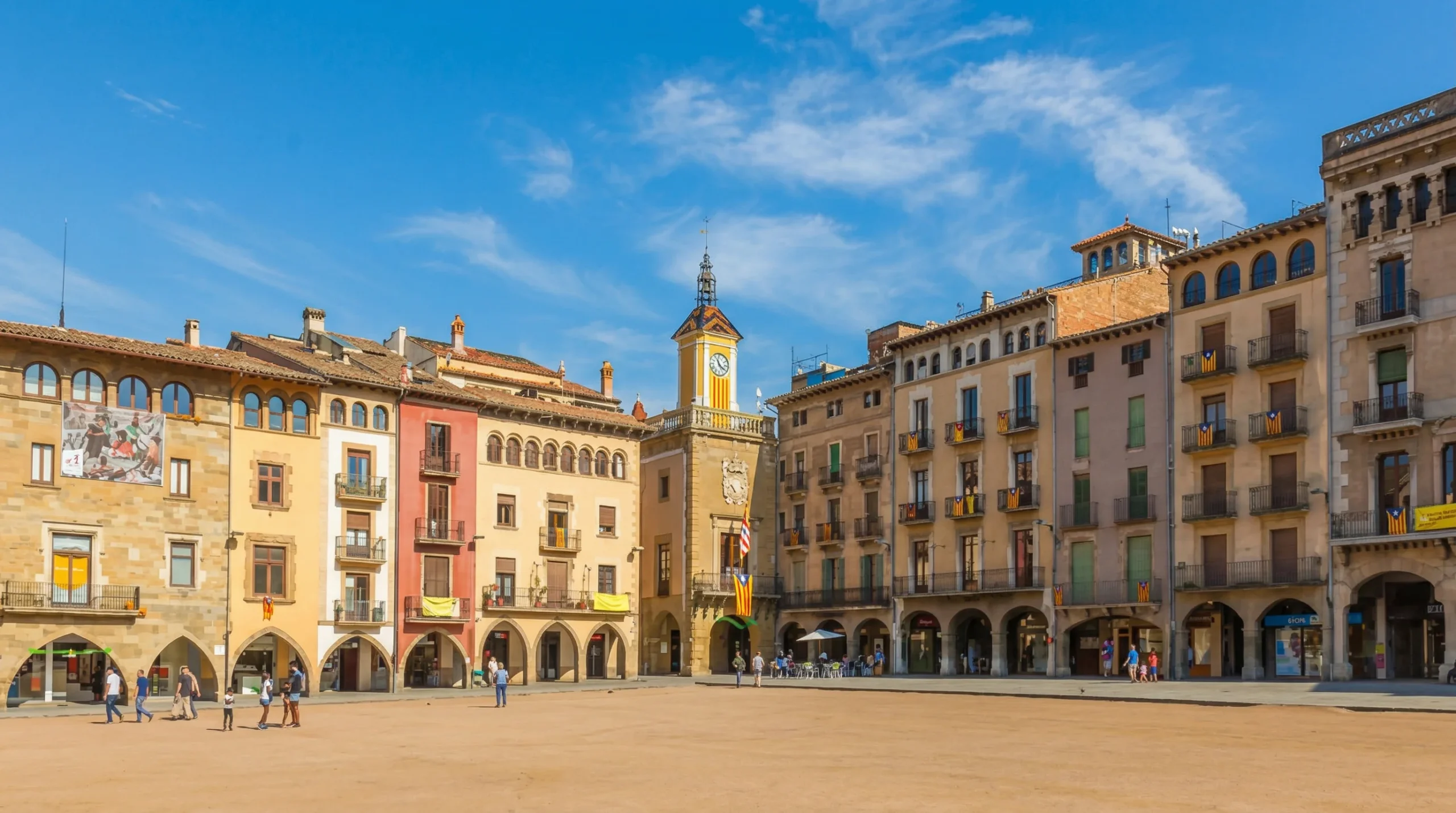
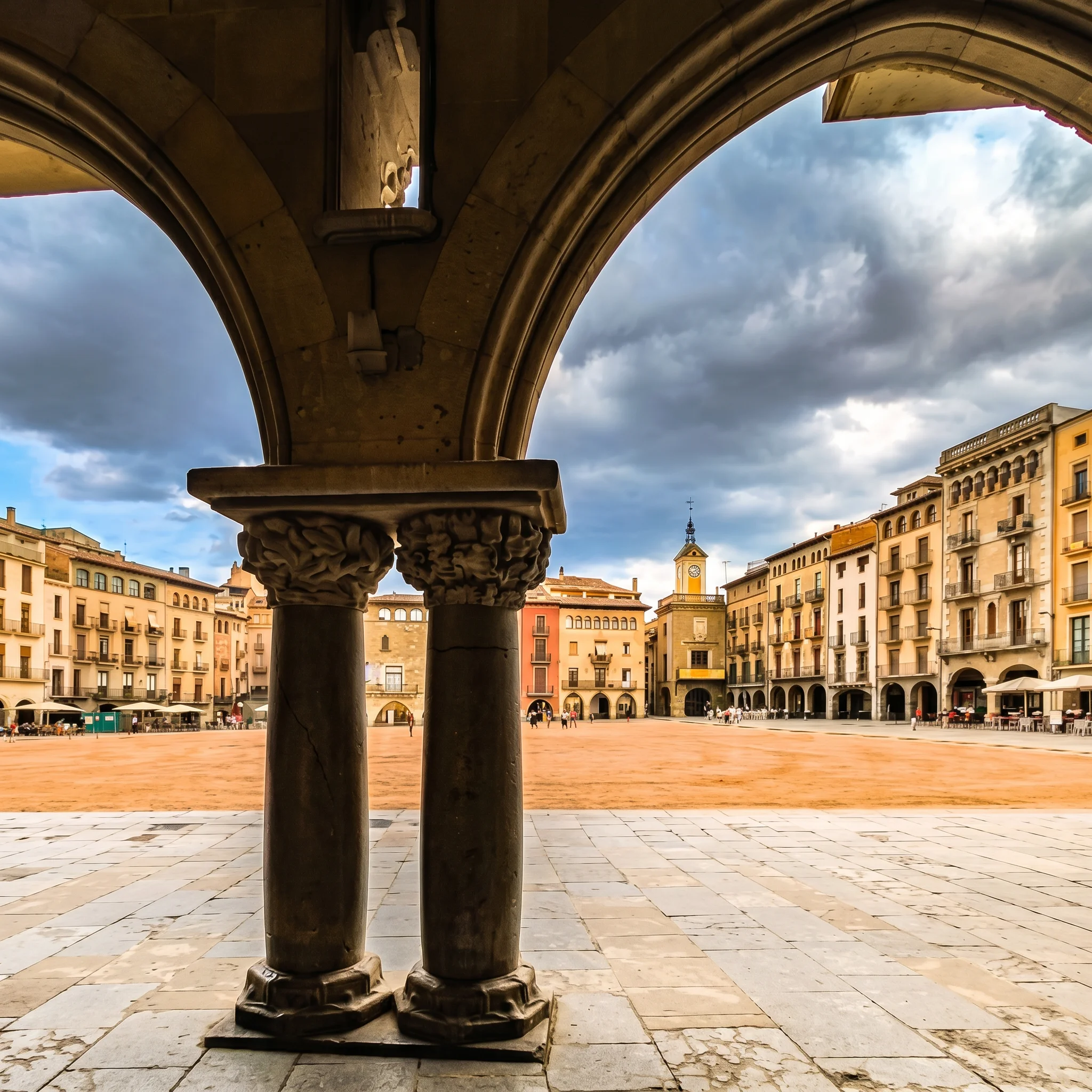
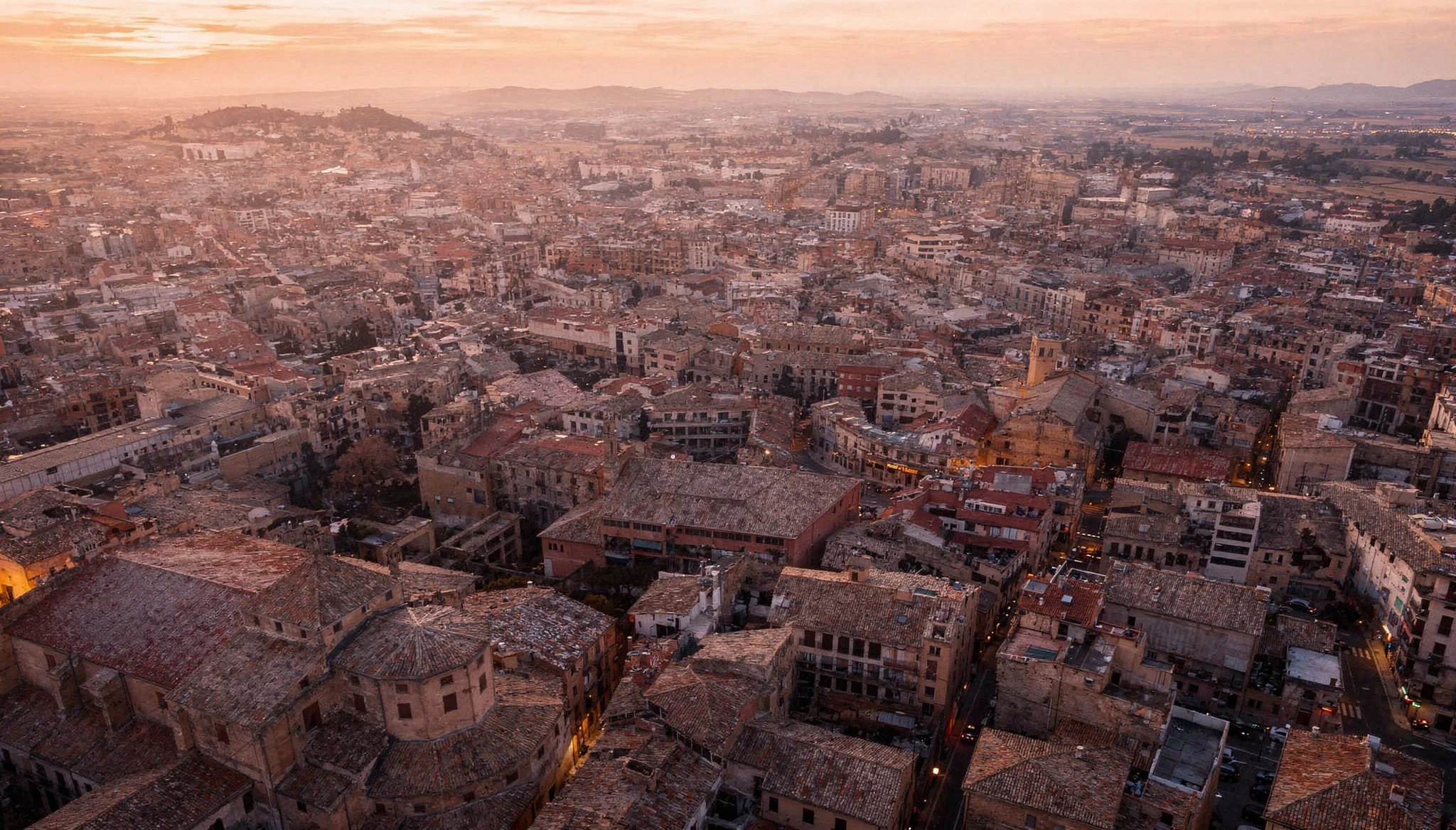
Conference venue
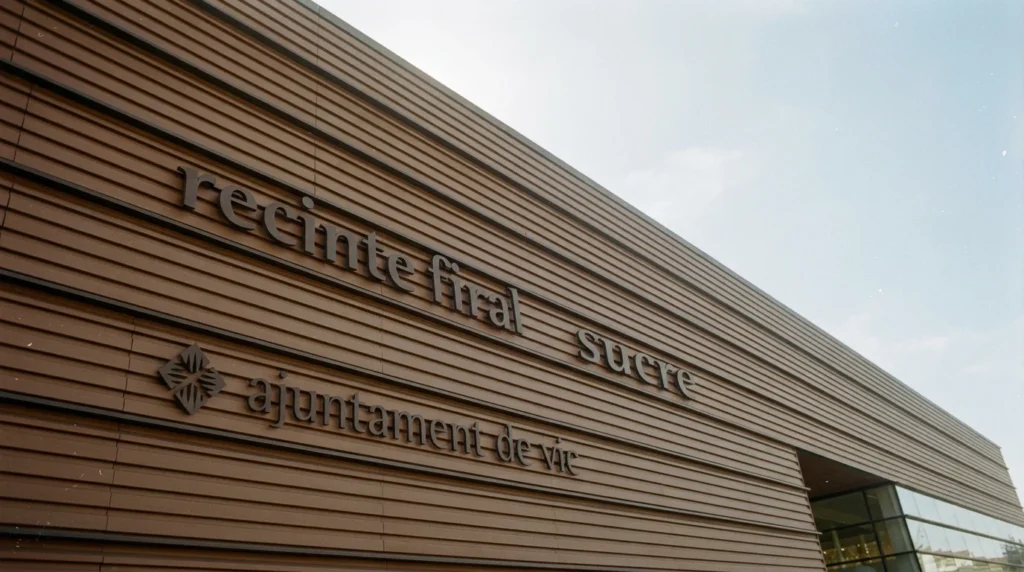
Firal “El Sucre”
Plaça del Sucre, Vic, Barcelona
The venue for SPAOM2026 was selected to provide an open-plan space where exhibitors and participants can easily meet and navigate, avoiding complex layouts with hard-to-find rooms or multiple levels. This design minimizes transition times between sessions and ensures equal visibility for all participating entities.
The “Recinte Firal El Sucre” is a 3,600 m² building perfectly suited to the purpose. It is organized into three areas: Sponsors’ Exhibition Area, Auditorium, and Community Area
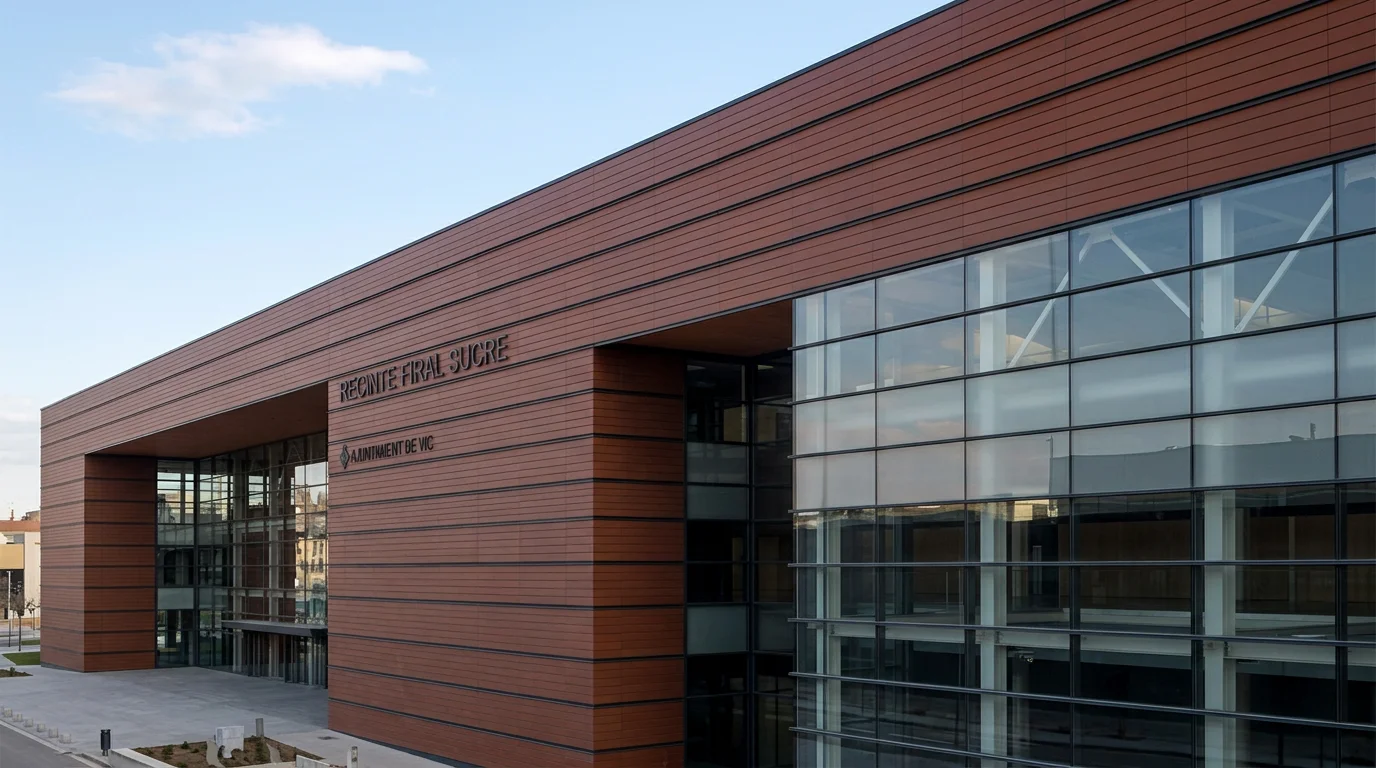
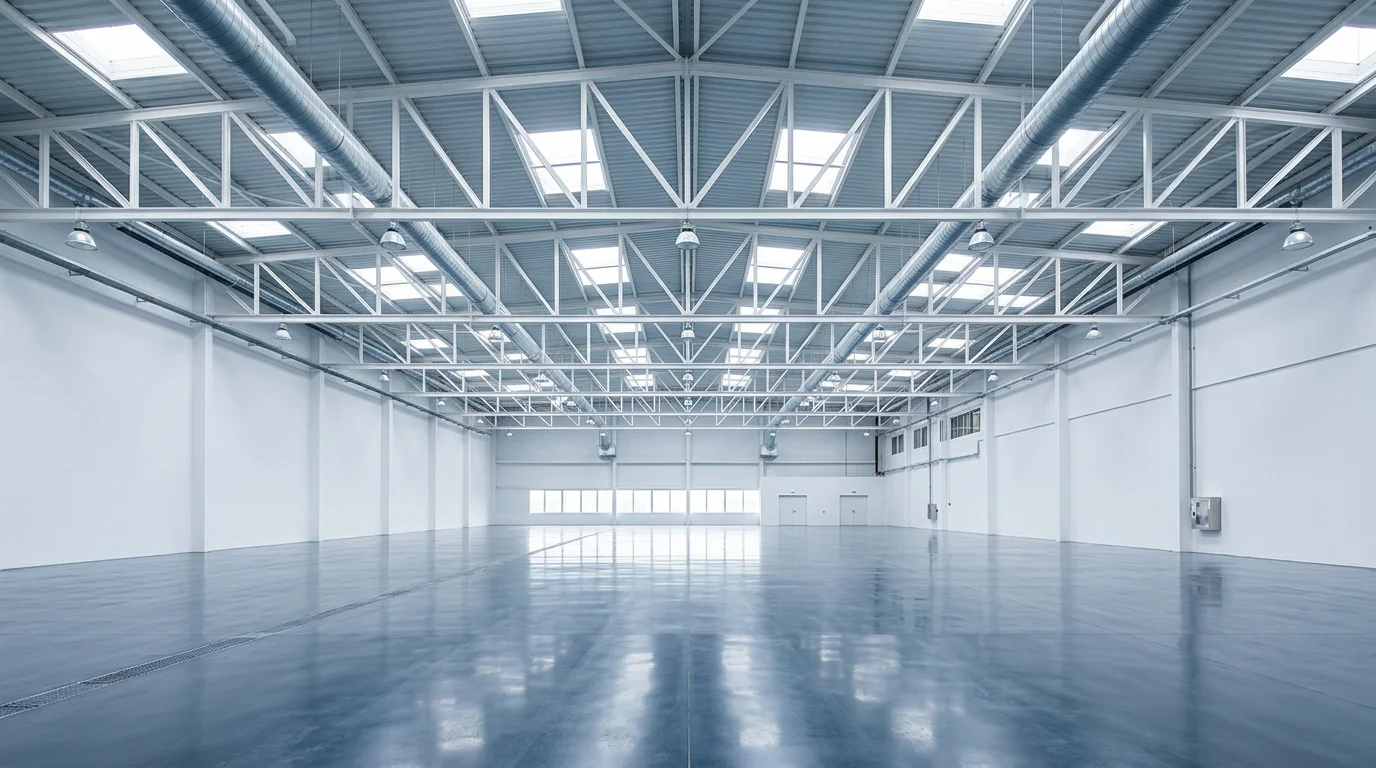
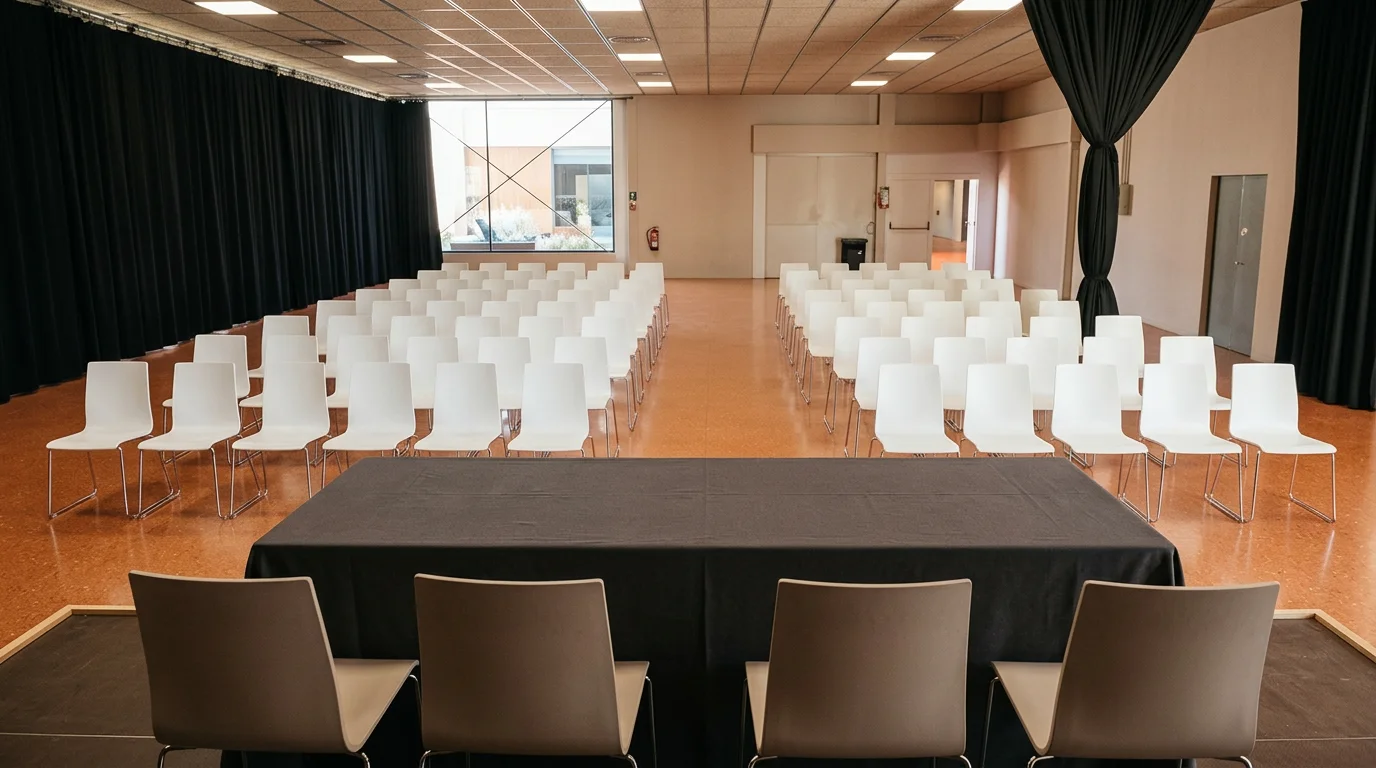
All-in-one solution
Accommodation
Stay together. stay connected
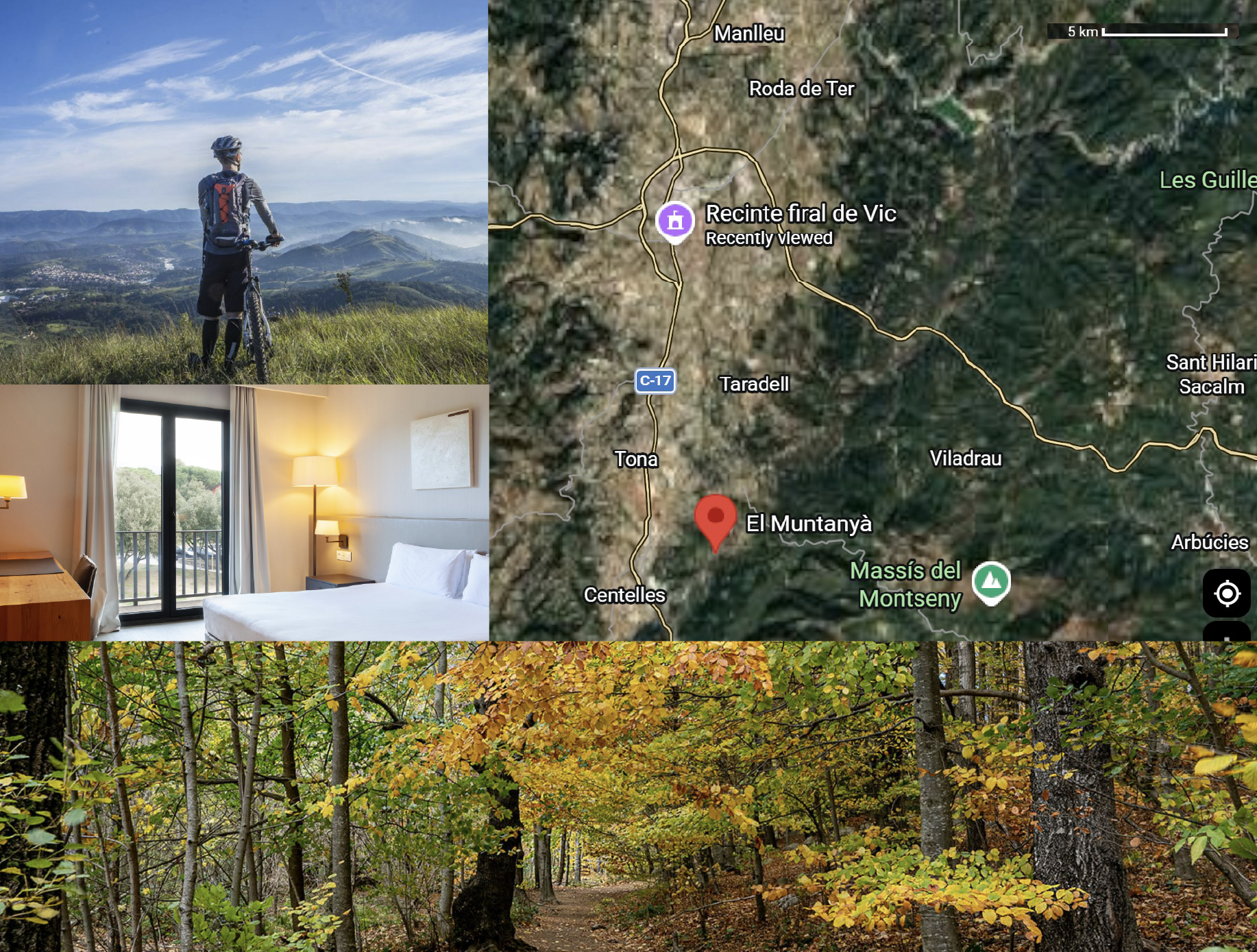
SPAOM2026 participants are invited to stay at Hotel Montanyà, located in the heart of Montseny Natural Park, around 20 km from Vic. The hotel will also host the SPAOM2026 Social Event.
All rooms have been pre-reserved for SPAOM2026 participants at a special rate. As availability is limited, we recommend booking your accommodation when registering for the meeting.
Free daily shuttles will connect the hotel with the conference venue in Vic, taking participants to the morning sessions and back at the end of each day.
A great way to experience SPAOM2026 beyond the scientific programme and spend more time with the community.
UPDATE: As of August 10th, the Montanyà main hotel is fully booked. We have secured new rooms in the same hotel (different building, the LODGE: 3 stars category). Booking available in the registration form as of August 26th, but availability is limited: Single and Twin rooms are normal, BUT be aware that Triple/Quadruple rooms come with bunk beds and smaller mattress ! We recommend to book fast !
Travel to vic
how to get there
FREE BUS SERVICE SPECIFICALLY FOR SPAOM2026 participants, IMPORTANT:
Registered participants will be able to catch a special Bus from Barcelona Airport or from Barcelona Train Station (Sants Estació). Registration to this service will be mandatory for those interested, sign-up form will be sent by email around Sept. 15th.
The service will operate ONLY at the following days and times:
Barcelona To VIC: Tuesday 6th Oct, exact departure times to be confirmed, between 11h and 11h45 (arrival in Vic approx. 12h30 to 13h. Please organize your trip accordingly.
Back to BARCELONA: Friday 9th Oct, exact departure times to be confirmed, between 13h30 and 14h15 (arrival in Barcelona Airport or train station before 16h, in normal traffic conditions). Please organize your trip accordingly.
PUBLIC TRANSPORT AND OTHER ALTERNATIVES
FROM BARCELONA:
El Prat Airport (BCN)
Barcelona–El Prat Airport is located 86 km from Vic.
From Terminal 1: take the free shuttle to Terminal 2. From Terminal 2: take the train to Barcelona Sants (approx. 19 min). At Sants, transfer to the R3 Rodalies line toward Vic / Ripoll / Puigcerdà (approx. 1 h 50 min).
WARNING: In October, some renovations works are expected on line R3, which may affect the services, please check carefully for updates and alternatives.
Total travel time: 2 h 15 min – 2 h 45 min.
By car / taxi / VTC
Driving distance: 86 km · Approx. 1 h 10 min (depending on traffic).
From Barcelona train station (Sants Estació)
Take the R3 Rodalies line toward Vic / Ripoll / Puigcerdà. All R3 trains stop in Vic.
WARNING: In October, some renovations works are expected on line R3, which may affect the services, please check carefully for updates and alternatives.
Total travel time: approx. 1 h 30 min – 2 h.
FROM GIRONA:
Girona–Costa Brava Airport (GRO)
The closest airport to Vic, located 42.5 km away.
By direct bus
Direct bus service Girona Airport → Vic (approx. 50 min). Operated by TEISA Bus.
By car
Approx. 50 min from Girona Airport.
Participate
Registration & Abstract Submission
Registration
Secure your place at SPAOM2026. Registration is now open!
Registration includes access to all scientific sessions and workshops. Accommodation can also be booked directly through the registration form.
Registration fees (VAT excluded):
Academic: €350
Students: €200
Industry: €600
Additional registration options, including day passes, are also available.
Abstract Submission
Submit your abstract for a Selected Talk or Poster. We welcome contributions covering all aspects of advanced optical microscopy, bioimaging and bioimage analysis.
Submission deadlines:
Community Workshops: July 8th, 2026 — CLOSED
Selected Talks: July 8th, 2026 — CLOSED
Posters: September 15th, 2026
Notifications of acceptance:
Selected Talks: closed.
Posters: notifications sent every two weeks until the submission deadline
OrganiZation
Committees
Scientific Committee
- Isabel Peset, CNIO, Madrid
- Nadia Halidi, CRG, Barcelona
- Estibaliz Gómez de Mariscal, ITQB NOVA – NIMSB-NOVA, Oeiras
- Jana Nieder, INL, Braga
- Pablo Loza, ICFO, Barcelona
- Pedro J. Gómez Gálvez, IBIS, Sevilla
Local Organization Committee
- Maria Calvo, UB, Barcelona
- Mònica Roldán, IRSJD, Barcelona
- Julien Colombelli, IRB Barcelona
Sponsors Committee
- Lucia Sanchez, IIM-CSIC, Vigo
- Ana Oña, CNB-CSIC, Madrid
- Paloma Dominguez, CABIMER, Sevilla
- Maria Calvo, UB, Barcelona
- Monica Roldan, IRSJD, Barcelona
- Álvaro Sahún, CMBSO, Madrid
- Diego Megias, ISCIII, Madrid
- Isabel Peset, CNIO, Madrid
- Julien Colombelli, IRB Barcelona
- Andreia Castro, ICVS, Braga
Workshops Committee
- Julien Colombelli, IRB Barcelona, Barcelona
- Mònica Roldán, IRSJD, Barcelona
- Diego Megias, ISCIII, Madrid
- Telmo Pereira, UNOVA Lisbon
- Luisa Cortes, UCoimbra, Coimbra
- Gaby Martins, GIMM, Oeiras
- Edwin Hernández-Garzón, Ci2A – CSIC, Madrid
Partners
Institutions
Organizing Institutions


Collaborating Institutions



Local collaborating institution